
 Gardening Editor
Sophia
Sophia focuses on indoor plants, gardens, and composting with beginner-friendly guidance.
See more from Sophia
•
0 Comments
•
Verified by EcologyMag Team
Gardening Editor
Sophia
Sophia focuses on indoor plants, gardens, and composting with beginner-friendly guidance.
See more from Sophia
•
0 Comments
•
Verified by EcologyMag Team
Written by Sophia. This article may include some images sourced from third-party sites to support content quality. For full details, see our Image Credits page.
Coffee in hand and thinking that small eco front yard landscaping was either for people with more money or more space than I had. I had neither.
What I had was about 180 square feet of flat, sun-exposed ground, a rented house with a landlord who was fine with “tasteful changes,” and a genuine need to stop dreading the walk from my car to my front door every single day.
That was two years ago. Here is what I actually did, what worked, what I wish I had started with.
In this article
- Why Small Eco Front Yard Landscaping Ideas Work Differently Than Backyard Ones
- How I Started Thinking About the Space Before I Ever Touched a Shovel
- The Plants That Actually Changed How the Yard Felt
- How I Made the Ground Work as Hard as the Plants
- The Vertical Thinking That Opened the Space Up
- How I Kept the Eco Part of This Genuinely Honest
- What the Yard Actually Feels Like Now
Why Small Eco Front Yard Landscaping Ideas Work Differently Than Backyard Ones
The front yard is not the same psychological space as the backyard.
When you work on the backyard, you are designing something private, something that rewards you when you sit down in it.
Small eco front yard landscaping also needs to work within certain realities that backyards do not. Street dust. Foot traffic near the edges. Passing eyes.
So the goal I kept returning to was this: I wanted it to look like it had always belonged there.
How I Started Thinking About the Space Before I Ever Touched a Shovel
The first thing I did was nothing. Yes, nothing.
I spent about three weeks just observing. Where did the light land in the morning? Where did the soil stay damp after rain? and so on.
That last one told me where my natural path wanted to go. And instead of fighting it, I followed it.
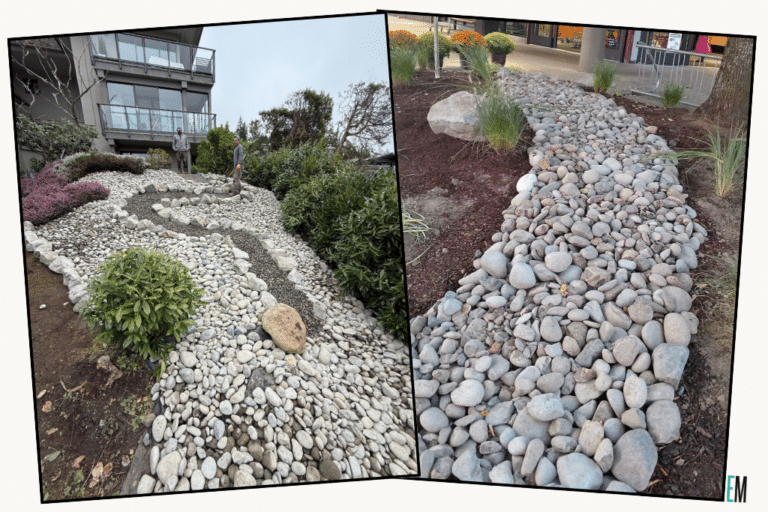
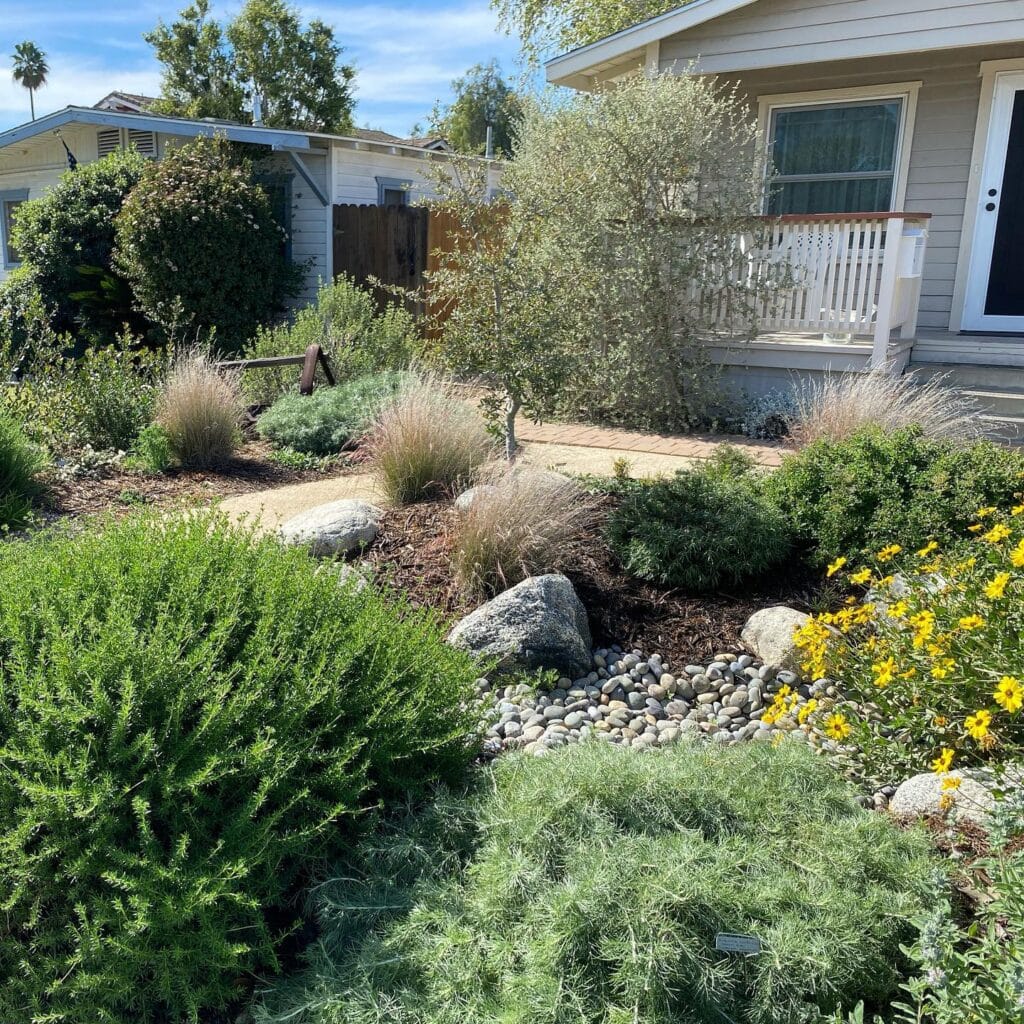
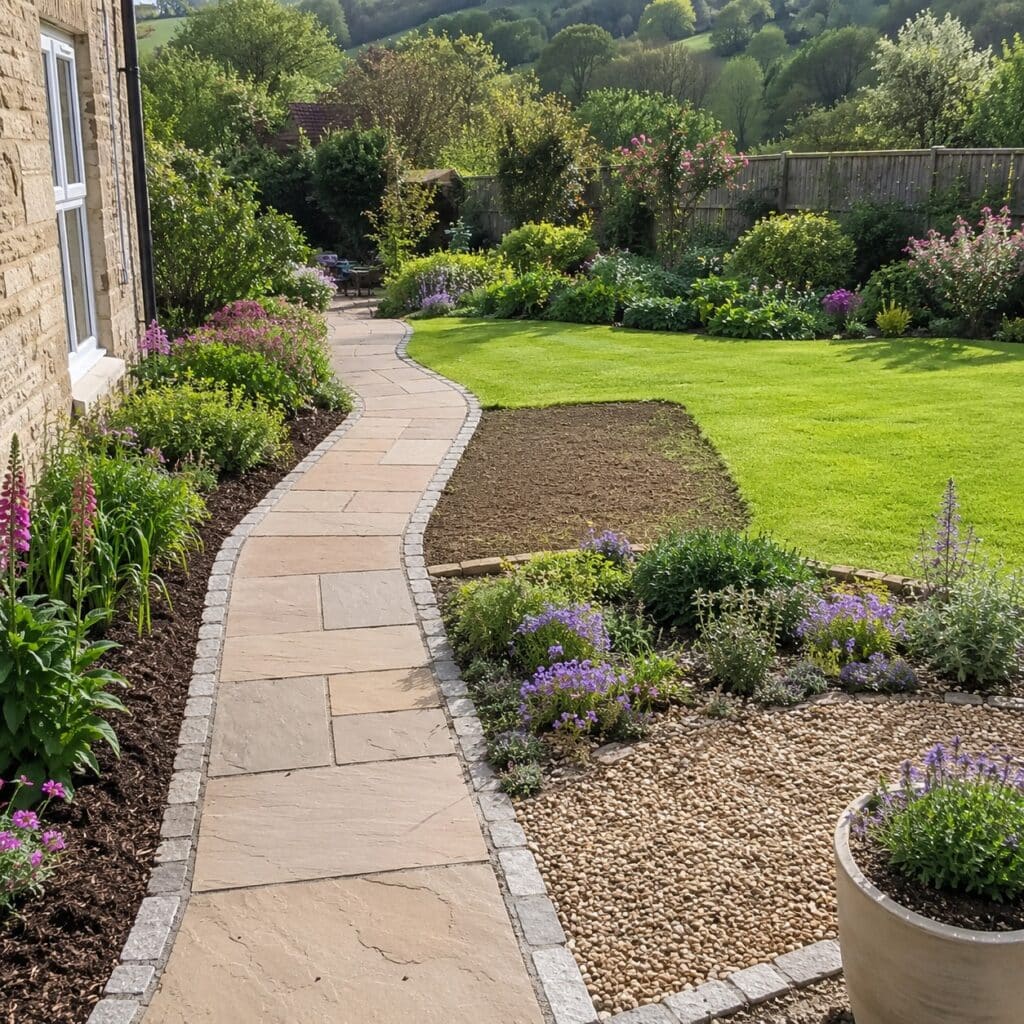
I marked that informal line with a row of smooth river stones I found at a local landscaping yard for almost nothing. It immediately made the yard feel structured without looking rigid.
The one design principle I kept coming back to
Layers. Not height-wise, but density-wise.
A front yard that feels open is not one that is empty. It is one where your eye has places to land and then move on. A low ground cover that bleeds into a slightly taller native grass and then rises to a single small feature plant gives your brain a gentle visual rhythm.
The Plants That Actually Changed How the Yard Felt
I am not a horticulturalist. I am someone who kills plants regularly, sorry for that, lol
So when I started researching shade-loving perennials and low-maintenance native options, I was looking for things that needed very little from me. No daily watering.
Here is what I ended up with in my specific small front yard setup:
- Creeping thyme as a ground cover between the stepping stones. It smells great.
- Two small lavender plants near the path edge. These were for the bees as much as anything else.
- One small Grevillea tucked into the corner, which grew faster than I expected.
None of these are high-drama plants. But together they created a texture that you will love.
How I Made the Ground Work as Hard as the Plants
One of the small eco front yard landscaping ideas I kept seeing online was the use of gravel or decomposed granite as a mulch layer. I was skeptical. It looked too hard.
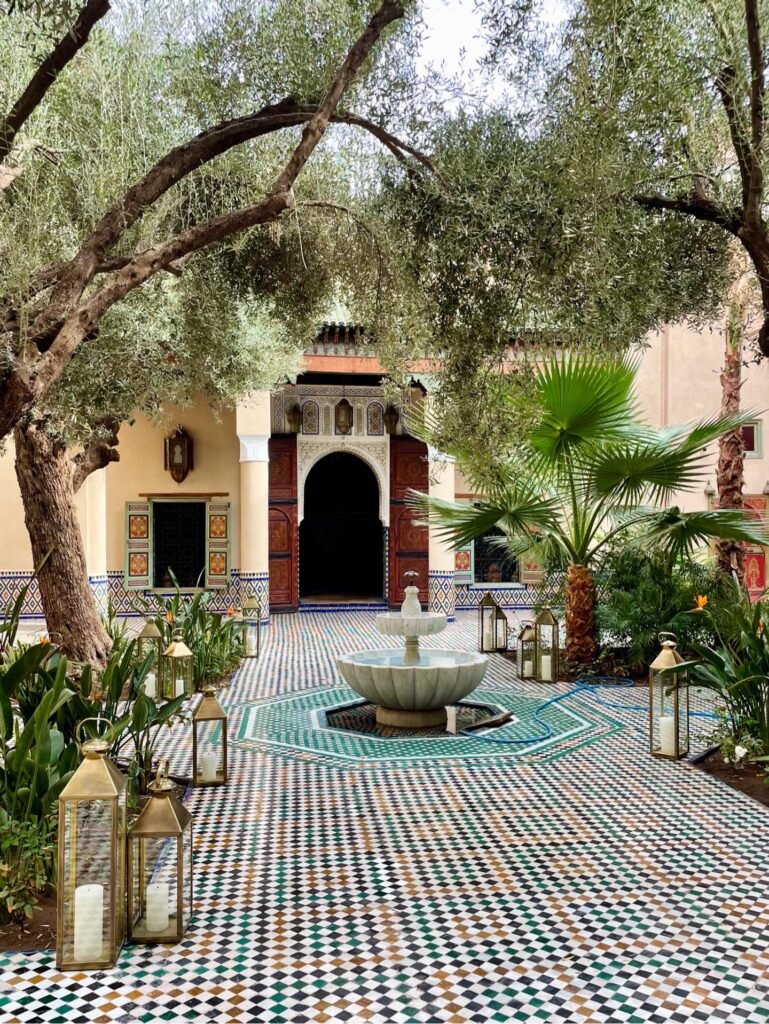
What changed my mind was a neighbor’s front yard two streets over. She had used a warm ochre-toned pea gravel between her plants, and it looked nothing like a car park. It looked like a Moroccan courtyard that had found its way into the suburbs.
I used something similar. A light sandy gravel over a single layer of cardboard as a weed suppressant. The cardboard breaks down within a year, feeding the soil beneath. No plastic weed fabric. No chemical sprays.
The difference made to the soil within six months was visible. Earthworms. A darker, looser layer just under the surface.
What I learned about watering small eco front yards
Less is usually more.
Watering in the early morning, before the sun hits, means the moisture actually reaches the roots. Evening watering invites fungal issues, so I switched to a simple drip line on a timer set for 6 am three days a week during summer.
My water bill dropped noticeably. My plants looked better than they ever had.
The Vertical Thinking That Opened the Space Up
When you have very little horizontal space, the instinct is to try to maximize every square inch of ground.
What actually opened my front yard up was adding one vertical element and then leaving almost everything else low.
I used a simple timber trellis panel leaned against the front wall of the house and planted a small native climber at its base.
The contrast between the vertical green on the wall and the low, open planting in front of it created depth. Real depth.
This is one of the small eco front yard landscaping ideas that I think most guides miss.
How I Kept the Eco Part of This Genuinely Honest
I want to say something plainly here, because I think it matters.
A lot of eco front yard content is really just regular landscaping content with a native plant or two added in, and the word “sustainable” written somewhere in the caption.
For me, keeping this genuinely eco-minded meant a few specific commitments. No synthetic fertilizers. No peat-based potting mix. No plastic edging.
I used home composting to enrich the soil before planting, mixing finished compost from my kitchen bin into the top layer. I chose every plant based on its native or near-native status in my region.
What the Yard Actually Feels Like Now
On a still morning, with the light coming in from the east, the creeping thyme releases something warm and faintly herbal. The lavender hums with small bees by mid-morning.
It is the same 180 square feet.
But it does not feel small anymore. It feels considered. And walking toward my front door now feels entirely different from how it felt two years ago, standing in that mud with a cold coffee.
Quick Checklist Before You Start
- Observe your yard for at least two weeks before planting anything
- Identify where natural foot traffic already creates a path
- Choose only native or near-native plants for your specific climate
- Use cardboard under gravel instead of plastic weed fabric
- Add one vertical element to create depth in a small space
- Set irrigation on a timer so you stop over or under watering
Article Note
Two years ago, I thought small eco front yard landscaping was for people with more resources or more room than I had. What I know now is that the constraint of a small space is actually a gift, because it forces you to be intentional about every single thing you put into it. So enjoy it as I did.