
 Gardening Editor
Sophia
Sophia focuses on indoor plants, gardens, and composting with beginner-friendly guidance.
See more from Sophia
•
0 Comments
•
Verified by EcologyMag Team
Gardening Editor
Sophia
Sophia focuses on indoor plants, gardens, and composting with beginner-friendly guidance.
See more from Sophia
•
0 Comments
•
Verified by EcologyMag Team
Written by Sophia. This article may include some images sourced from third-party sites to support content quality. For full details, see our Image Credits page.
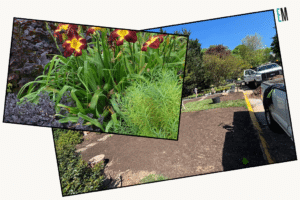
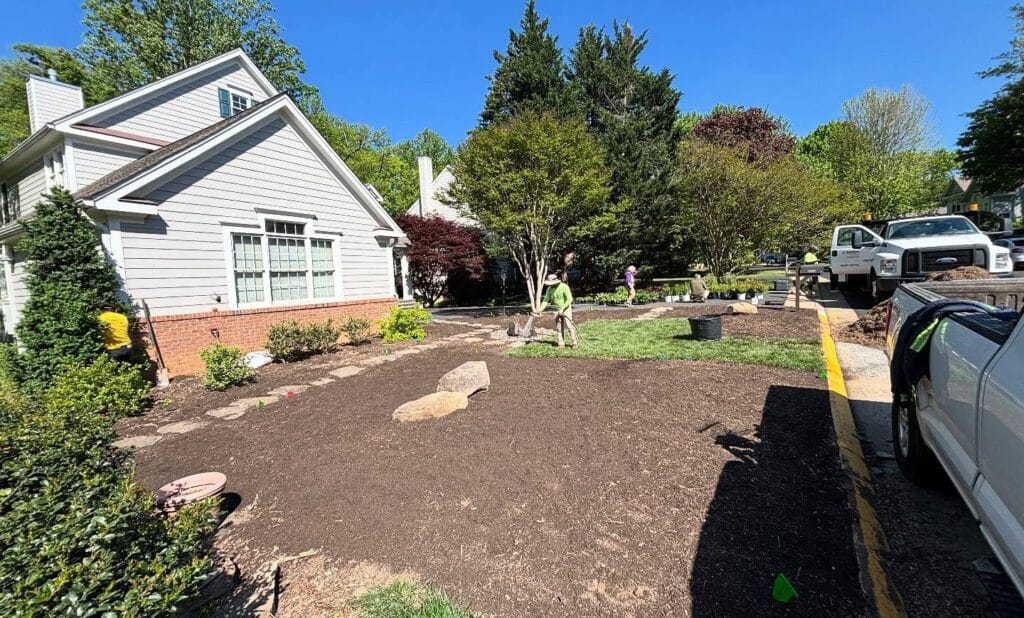
The first time I crouched down and pulled a handful of dry, compacted soil from my front yard flower bed, I knew something had to change. The bed had been there for years, technically. But it looked like nobody had ever really meant it. I’d been thinking about eco front yard flower bed for months before I finally started doing something about it.
In this article
Why I Stopped Trying to Make My Front Yard Look Perfect and Started Making It Feel Alive
There’s a version of front yard gardening that looks great in a hardware store catalogue. Perfectly edged beds, one type of flower repeated in a neat row. I tried that version.
What I actually wanted was something that looked like it had grown there on its own.
That shift in thinking changed everything about how I approached my eco front yard flower bed ideas.
The Specific Eco Front Yard Flower Bed Ideas That Actually Worked for Me
I switched to native plants, and the difference was immediate
Native plants are the foundation of any ecological front yard. They evolved here. They know this soil, this rain pattern, this light.
I replaced three ornamental shrubs with native coneflowers, wild bergamot, and black-eyed Susans. Within one season, I had pollinators visiting daily. Not occasionally. Daily.
This is one of those eco front yard flower bed ideas that sounds obvious once you hear it, but for sure surprises you with how fast it works, believe me.
I used compost instead of synthetic fertiliser, and my soil completely changed
My front bed had hard, pale soil that barely held moisture. I started a simple home composting system in my backyard, and after about four months, I had enough to work into the flower bed properly.
The difference in the soil texture after one season was something I hadn’t expected. It went from dry to something that was actually a little bit Dark, damp.
If you’re building a real eco front yard flower bed from the ground up, start with the soil.
I built a simple stone border using rocks from the yard itself
Bought edging always bothered me. The plastic kind, especially. It cracks within two winters, and then you’re replacing it while little fragments work their way into the soil.
I collected flat stones from the back of my property and laid them along the bed edge without any adhesive or mortar.
This kind of approach fits naturally into sustainable front yard landscaping because it uses what’s already there instead of buying something new.
I added layers instead of planting everything at the same height
Flat flower beds look flat. That sounds obvious, but most people plant everything at roughly the same height and then wonder why the bed feels one-dimensional.
I added a small ornamental grass at the back, and low creeping thyme along the stone border edge.
Layering is one of those eco front yard flower beds that costs nothing extra.
I let a small section go to seed on purpose
This one felt uncomfortable at first. One corner of the bed, I just let go at the end of summer. The seed heads stood through autumn and into early winter.
A lot of eco garden design advice tells you to leave seed heads for wildlife, but doesn’t tell you how strange it feels to resist the urge to tidy. You get used to it. Then you start to love it.
I mulched with wood chips from a local tree service, not bagged product
Bagged bark mulch is expensive and often dyed.
I spread a layer about three inches deep across the entire bed after planting. It suppressed weeds for most of the season.
This fits into eco home gardening perfectly because it closes a loop.
I planted for pollinators in bloom sequence, not just for aesthetics
Most people choose flowers they like the look of. I did that for years. The problem is you can end up with everything blooming in June and nothing left by August.
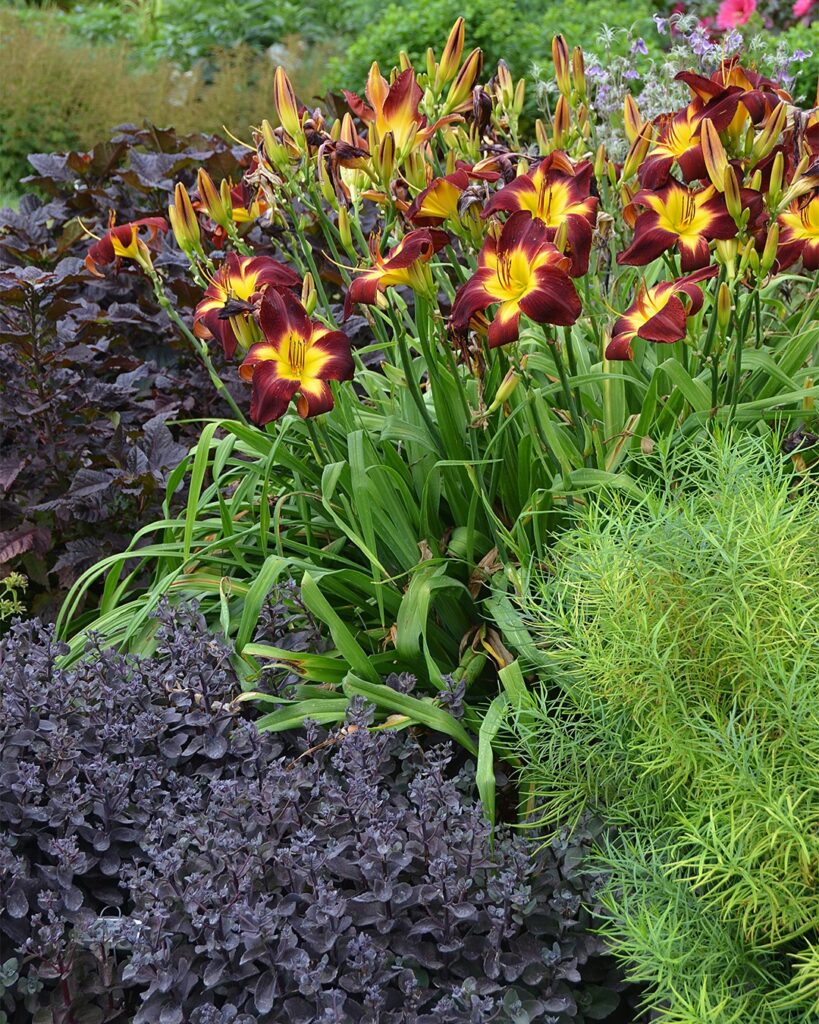
I mapped out a rough bloom calendar before planting. Early spring bulbs, late spring perennials, summer bloomers, and one or two late-season asters that carry the bed into October.
What I Got Wrong the First Time With My Eco Front Yard Flower Bed
I over-planted. I read that you should plant densely to suppress weeds.
By midsummer, the bed was so crowded that some plants couldn’t breathe.
Give your plants more space than you think they need.
I also didn’t account for how different the light was at the front of the house compared to my backyard. I planted a few shade-preferring species in a spot that got direct afternoon sun, and they struggled all season.
The Small Details That Made My Eco Front Yard Flower Bed Feel Complete
A shallow ceramic dish filled with water became a drinking spot for bees within days of placing it near the bed.
I also added one small piece of driftwood along the edge as a natural accent. It wasn’t a design decision really. I just liked how it looked.
These are the kinds of details that turn a planted bed into an actual small habitat.
QUICK PLANNING CHECKLIST
- Choose at least 3 native species suited to your local climate
- Map a rough bloom calendar before buying anything
- Test your soil or at minimum work in compost before planting
- Layer plant heights: tall at back, low at the front edge
- Mulch to a depth of 3 inches after planting
- Leave one section to go to seed for birds and late-season insects
- Add a water source within or near the bed
Article Note
My front yard still isn’t finished. Honestly, I’m not sure it ever will be. But I love it now. There are bees in it before I’ve had my morning coffee. That’s what all these eco front yard flower bed ideas were actually for.