
 Gardening Editor
Sophia
Sophia focuses on indoor plants, gardens, and composting with beginner-friendly guidance.
See more from Sophia
•
0 Comments
•
Verified by EcologyMag Team
Gardening Editor
Sophia
Sophia focuses on indoor plants, gardens, and composting with beginner-friendly guidance.
See more from Sophia
•
0 Comments
•
Verified by EcologyMag Team
Written by Sophia. This article may include some images sourced from third-party sites to support content quality. For full details, see our Image Credits page.
I pulled up every single paving stone in my backyard last Saturday in late spring, and I remember thinking that my backyard garden design had been quietly failing me for years. its time to change.
In this article
- How I stopped treating my backyard garden design like a project and started treating it like a living space
- The upgrade that changed my backyard garden design more than any plant ever did
- How I brought real structure to my backyard garden design without spending much at all
- What I learned about water and why it matters more than most backyard garden guides admit
- How native plants quietly solved most of my backyard garden design problems
- The thing I got wrong about my backyard garden design for years
How I stopped treating my backyard garden design like a project and started treating it like a living space
Most people approach their outdoor space the same way they approach decorating a spare room. They want it to look good in photos. But a backyard garden isn’t a spare room.
The first real upgrade I made wasn’t a plant or a raised bed. It was a decision.
I decided to design around how I actually use the space rather than how I imagined I would use it. It took me three redesigns to figure it out.
I had been building a garden for a version of myself who sat outside with coffee every morning.
When I finally mapped out where I actually walk, where I tend to pause, and where the light lands in the evening rather than the morning.
Start with the paths, not the plants
Here’s what most backyard guides miss. Your paths determine everything else. They dictate where plants can grow, where water pools, where you’ll actually step, versus where you’ll avoid stepping.
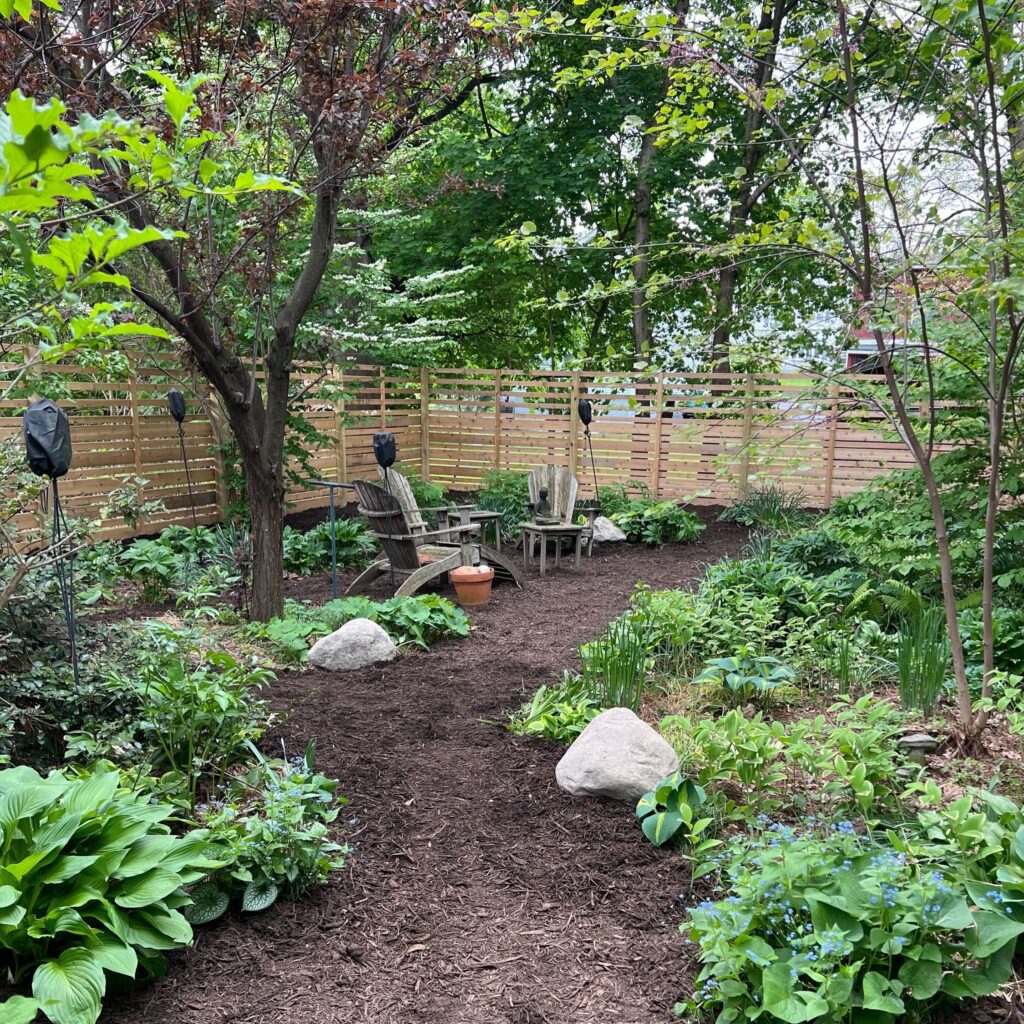
I replaced my old paving stones with a simple gravel path edged by low-growing, eco-friendly garden groundcover.
It also sounds different underfoot.
The upgrade that changed my backyard garden design more than any plant ever did
I had been buying plants, putting them in average soil, watching them struggle, and blaming the plants. It took a proper soil test from my local garden centre to tell me what I already suspected. My ground was compacted and acidic.
I spent one weekend working on homemade compost from my home composting setup in the corner of the garden, and the difference in the following season was not subtle. New things I planted took hold instead of sulking for two months before dying.
If you are going to spend money anywhere in your backyard garden design, spend it on what goes underneath first.
A quick look at what I changed in the soil before replanting
- Added a 10cm layer of homemade compost worked in with a fork, not a spade
- Mixed in a small amount of biochar to help with water retention in the drier sections
- Left the improved beds to rest for two weeks before planting anything
- Stopped turning the soil every season, just do that, and you’ll see the difference.
That last point is worth sitting with.
How I brought real structure to my backyard garden design without spending much at all
Structure in a garden doesn’t have to mean expensive timber raised beds or elaborate landscaping. It means visual rhythm.
I achieved most of my structure through repetition. I chose three plants and repeated them throughout the space in slightly different arrangements.
That repetition created coherence without rigidity.
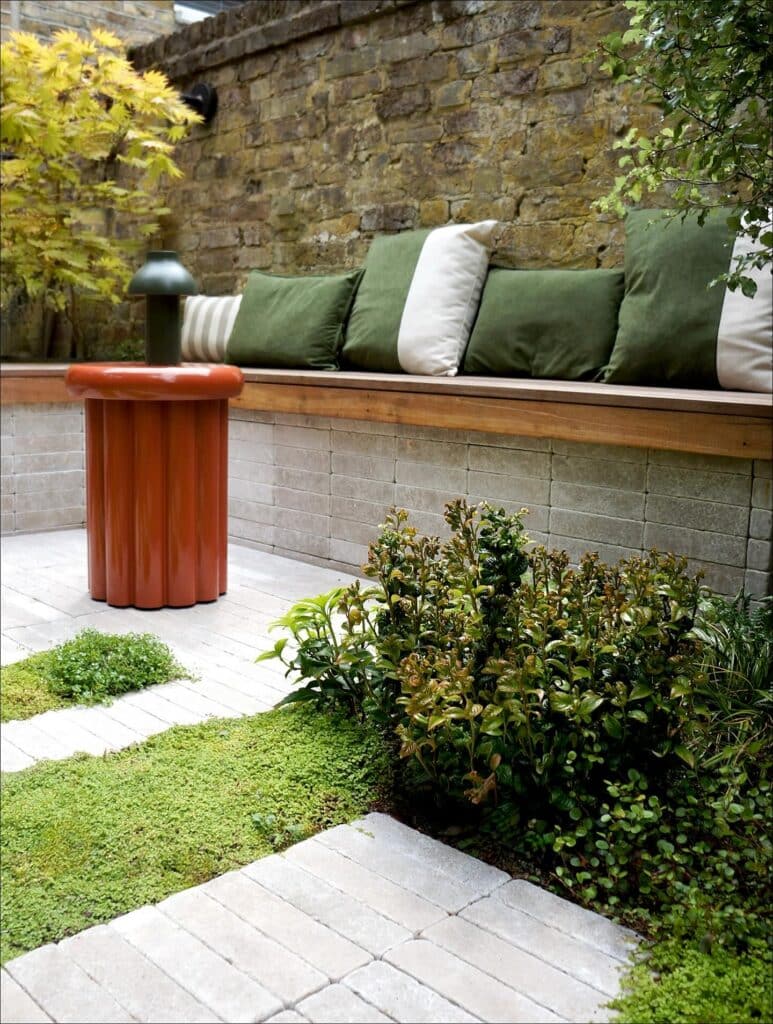
I also added one simple seating area with a reclaimed wooden bench that I found secondhand. That single change made the garden feel like a destination rather than a throughway.
What I learned about water and why it matters more than most backyard garden guides admit
I used to water my garden by feel. Which meant I watered it when I felt guilty about not having watered it, usually during the hottest part of the day.
A simple drip irrigation system changed this. I set it on a basic timer, running for thirty minutes in the early morning.
The deeper point is that a good backyard garden design should reduce the number of decisions you have to make every day.
I also added a small rain barrel connected to the downpipe at the back of the house. It fills faster than I ever expected, and using collected rainwater rather than tap water made a noticeable difference to the plants.
Small water habits that made a real difference
- Water at the base of the plant, not the leaves
- Water deeply and less frequently.
- Check soil moisture an inch below the surface always.
How native plants quietly solved most of my backyard garden design problems
I had always assumed that a beautiful garden required a lot of maintenance. Then I started replacing my struggling non-native plants with species that actually belong in this climate.
Within one season, I was doing about half the work for noticeably better results. Native plants don’t need coaxing. They just grow.
They also brought in pollinators in a way my previous planting never did. On a warm morning in July, the sound in my garden shifted.
A thoughtful backyard garden design that leans on native species is also one of the most practical expressions of sustainable living.
The thing I got wrong about my backyard garden design for years
The upgrade that sounded least exciting but mattered most was this. I gave myself one zone per season. I improved one section and left everything else alone until it was ready.
That approach let me actually finish things. And a finished section, even a small one, gives you the energy to keep going.
A good backyard garden design doesn’t need to happen all at once.
Article Note
My garden is still changing. It probably always will be, which is the part I’ve made my peace with.