

 Gardening Editor
Sophia
Sophia focuses on indoor plants, gardens, and composting with beginner-friendly guidance.
See more from Sophia
•
1 Comment
•
Verified by EcologyMag Team
Gardening Editor
Sophia
Sophia focuses on indoor plants, gardens, and composting with beginner-friendly guidance.
See more from Sophia
•
1 Comment
•
Verified by EcologyMag Team
Written by Sophia. This article may include some images sourced from third-party sites to support content quality. For full details, see our Image Credits page.
I still remember the morning I walked barefoot through my first real sustainable garden and felt something shift. The soil was cool, I still remember. That quietly rewired how I think about every space I live in.
Sustainable gardens don’t just feed you or help the planet. They teach you something about how to arrange a life. The way nothing is wasted. The way a small patch of ground can feel more considered than most rooms I’ve walked into.
In this article
- The Living Room I Finally Redesigned After Spending a Morning in a Kitchen Garden
- The Bathroom That Finally Felt Like Somewhere I Actually Wanted to Be
- The Kitchen Corner That Started Composting Before Anything Else Changed
- The Reading Nook That Feels Like Sitting Inside a Garden on a Still Morning
- The Home Office That Stopped Feeling Like a Place I Had to Escape From
- The Balcony That Became a Real Backyard Without a Backyard
- The Bedroom That Learned Something From a Night Garden
- The Entryway That Became the First Breath of Intentional Living
- The Garden Itself as the Most Peaceful Room I Own
The Living Room I Finally Redesigned After Spending a Morning in a Kitchen Garden
Kitchen gardens have a particular kind of order to them. Everything has a reason.
When I brought that logic into my living room, I pulled out three pieces of furniture I couldn’t actually justify keeping. What was left felt lighter.
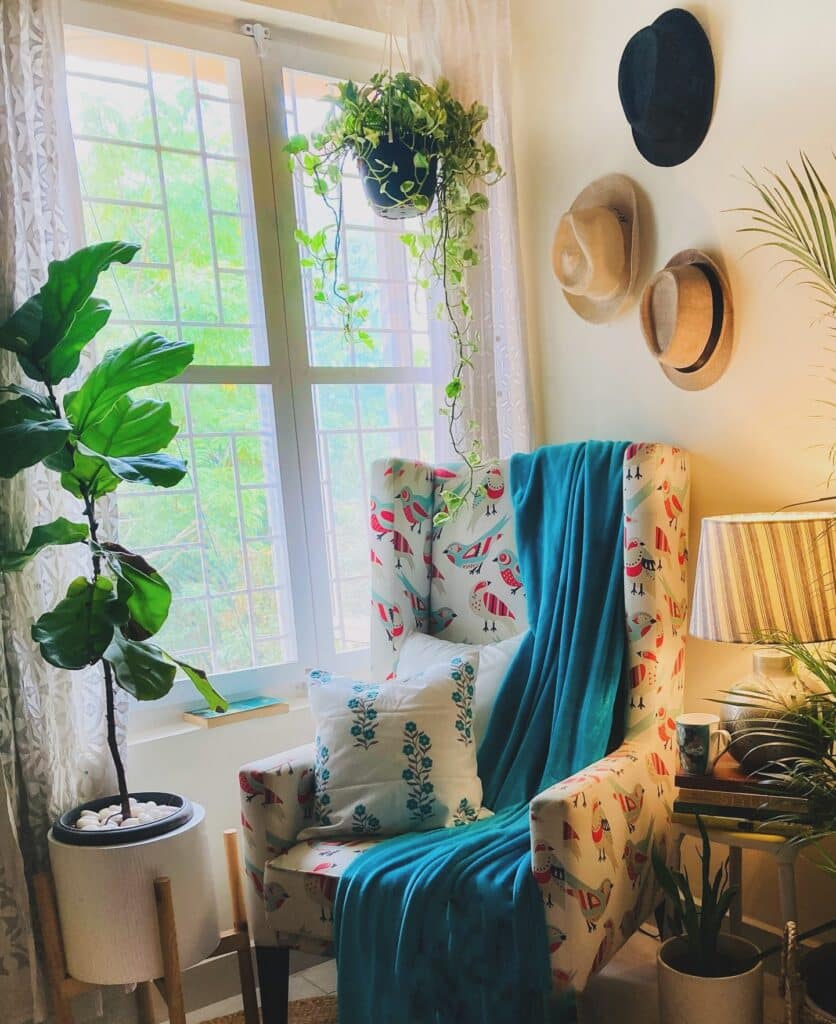
I added indoor plants not as decoration but as working parts of the room. A tall fiddle leaf fig near the east window. The room started to feel the way a good garden bed feels: calm.
Here’s what most interior guides miss. A garden doesn’t try to look designed. It just is. That’s the energy worth chasing indoors.
What the garden taught me about negative space
In a well-tended garden, the space between plants matters as much as the plants themselves. Rooms work the same way.
The Bathroom That Finally Felt Like Somewhere I Actually Wanted to Be
I’ve always found most bathrooms slightly depressing.
Thinking about what makes a sustainable garden feel restorative helped me fix that. Gardens use filtered light, natural materials, and living things. So I tried the same approach in a very small bathroom.
One hanging pothos near the window. A wooden soap dish instead of plastic. A small dish of dried lavender from the garden on the shelf. This is the kind of small eco bathroom thinking that doesn’t require a renovation. It just requires paying attention.
Good light matters more than anything else. I replaced the single overhead bulb with two warm-toned wall sconces, and the room changed a lot.
The Kitchen Corner That Started Composting Before Anything Else Changed
Gardens are entirely unbothered by waste. Everything cycles. Everything returns. That’s the philosophy I love.
I set up a small apartment composting system using a countertop ceramic bin with a charcoal filter and a bokashi bucket for the things compost can’t take.
That one habit changed how I shop, how I cook, and how much I throw away.
The simplest sustainable kitchen habit I underestimated
Buy only what you’ll use in three days. Gardens work in short cycles.
The Reading Nook That Feels Like Sitting Inside a Garden on a Still Morning
I built a reading nook in a corner of my bedroom with that feeling in mind. A low chair with a linen cushion. A shelf holding six books and a trailing pothos.
This is slow living made physical. A space you walk into and immediately downshift.
The Home Office That Stopped Feeling Like a Place I Had to Escape From
Most home offices feel sealed off from everything alive.
Sustainable gardens are never sealed off. They’re connected to weather, to the season.
I added a house plant at eye level. Not a massive arrangement. Just one living thing at my eyeline that reminded me that something outside the screen was also happening.
The Balcony That Became a Real Backyard Without a Backyard
I live in a flat. No garden. But a balcony is a garden if you’re willing to treat it like one.
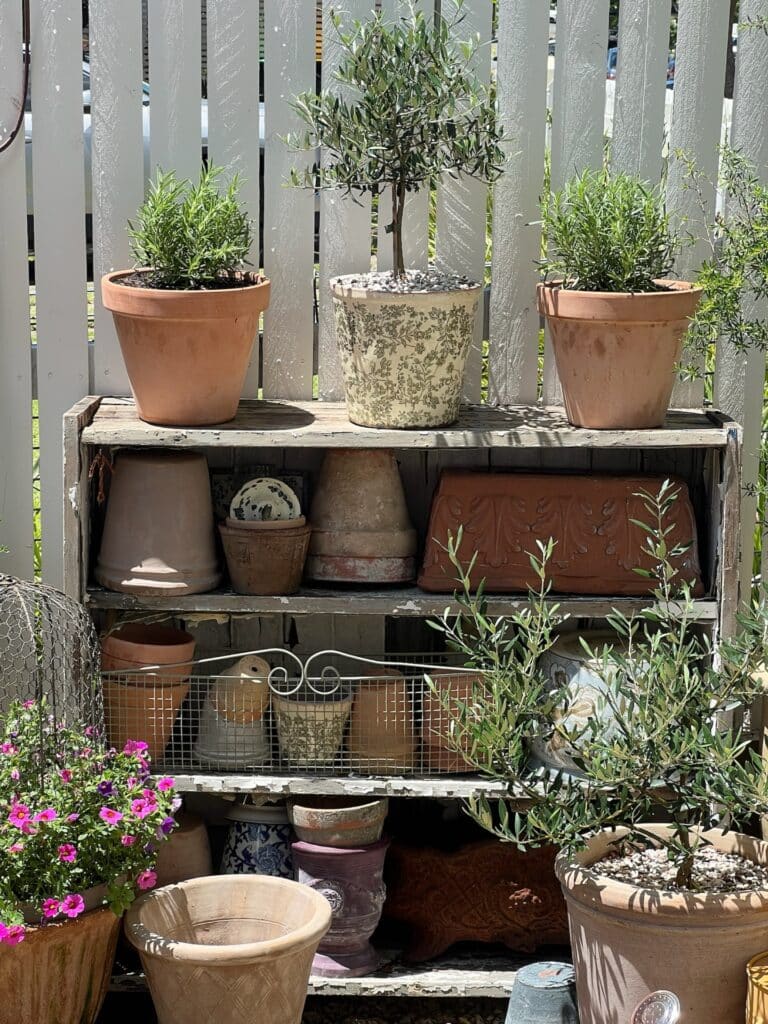
A backyard garden design on a balcony starts with containers and intention. I grow tomatoes in large terracotta pots, and one small Japanese maple in a cedar box that I’ve had for four years now.
The key is choosing plants that actually belong in your climate, always.
A balcony can be a real eco-friendly garden. It just requires the same honesty a full garden requires.
The one balcony change that made the biggest difference
A water collection system. I attached a small barrel to a downpipe and now I water everything from that. Nothing leaves the balcony wasted. It felt like the most garden-logic thing I’d ever done in a city flat.
The Bedroom That Learned Something From a Night Garden
Night gardens are designed around calm. Dark foliage. White or pale flowers.
I applied that logic to my bedroom and stopped fighting the room. Dark linen on the bed. A single indoor plant in the corner, a snake plant, chosen because it tolerates low light.
The room works the way a good night garden works.
The Entryway That Became the First Breath of Intentional Living
A sustainable garden always has a threshold. A path that signals you are moving into a different kind of space.
My entryway is small. But there is a single shelf with a trailing plant, and a small hook for the bag I take to the farmers’ market every Saturday.
The Garden Itself as the Most Peaceful Room I Own
Every space in this list was inspired by something I learned outside.
My sustainable garden now covers about forty square metres of rented outdoor space. I grow food in raised beds built from reclaimed timber.
I have a bench that faces west, so I get the last of the light in the evening. I sit there most nights for about ten minutes with nothing in my hands.
The sustainable lifestyle I wanted took years to build. But it started here, outside, in a small garden that taught me to start paying closer attention.
Things Worth Remembering
- You don’t need a large garden to think in garden logic. A windowsill counts.
- Start with one space. Make it genuinely calm before moving to the next.
- Natural materials age better than synthetic ones in living spaces, just as they do outdoors.
- Plants that belong in your climate will always outperform plants chosen for looks alone.
- The principle of nothing wasted applies indoors as much as it does in a garden bed.
Article Note
The best spaces I’ve ever been in, indoors or outside, had one thing in common. They felt like someone had really thought about them. A person who paid attention. That’s the real lesson every good garden teaches;


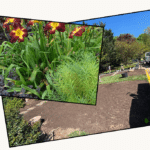
[…] the eco balcony garden approach I adapted for my ground-level space, I kept every planter within reach of a rainwater […]