
 Green Living Editor
Maria
Marie writes about low-waste habits and practical sustainability for everyday life.
See more from Maria
•
0 Comments
•
Verified by EcologyMag Team
Green Living Editor
Maria
Marie writes about low-waste habits and practical sustainability for everyday life.
See more from Maria
•
0 Comments
•
Verified by EcologyMag Team
Written by Maria. This article may include some images sourced from third-party sites to support content quality. For full details, see our Image Credits page.
Last Friday, I was in the kitchen at seven in the morning, waiting for the kettle, watching the gap under the back door let in a thin ribbon of cold air across the floor tiles. The draft was so consistent you could almost set a clock by it. So I thought about home energy efficiency. I keep hearing about that, but now it’s time for me to make a change and to act.
The truth is, most of us already know that our homes bleed energy.
Some of the most effective improvements cost less than a dinner, and they compound. Each small change reduces the load on your heating and cooling systems, which makes every other upgrade more effective.
In this article
- Where I Started and Why Draughts Are the Biggest Quiet Drain on Home Energy Efficiency
- The Lighting Swap I Put Off for Two Years That Took One Hour
- How I Finally Understood What My Thermostat Was Actually Doing
- The Appliance Habits That Quietly Cost More Than You Think
- What I Noticed About Insulation Before I Could Afford to Do Anything Major
- A Short Honest Word About the Mistakes Worth Avoiding
Where I Started and Why Draughts Are the Biggest Quiet Drain on Home Energy Efficiency
Draught-proofing is unglamorous. There’s no Instagram moment in a roll of foam seal tape. But in my experience, it delivered more immediate warmth than anything else I tried that year.
The gaps around doors and windows in an average older home can add up to the equivalent of leaving a small window open permanently. Studies from the Energy Saving Trust in the UK estimate that draught-proofing can save between $25 and $50 a year in an average home.
Here’s what to actually check:
- The gap beneath external doors (a simple brush seal fixes this in about 20 minutes)
- Keyholes and letterboxes, which are small but cold in winter
- Gaps around window frames, especially in older sash windows
- Where pipes enter and exit external walls
- Loft hatch edges.
Self-adhesive foam strips cost almost nothing. Draught excluder brushes for doors cost around $10 to $15. And the difference you feel on that first cold morning after fitting them is so satisfying, believe me.
This is saving energy at home at its most honest.
The Lighting Swap I Put Off for Two Years That Took One Hour
I held off on switching every bulb to LED because I’d heard mixed things about the quality of light. Some early LEDs were cold. So I kept my old halogen bulbs and quietly paid more for them every month.
That was a mistake for sure.
Modern LED bulbs, especially those in the 2700K to 3000K colour temperature range, produce a warm light that resembles the old incandescent glow. They use roughly 75 to 80 per cent less energy than halogen equivalents and last anywhere from 15,000 to 25,000 hours. A single bulb running four hours a day can last over 17 years.
The payback period on LED replacements is typically under a year when you factor in both energy savings and reduced bulb replacement costs. For a household with 20 light fittings, the annual saving can comfortably exceed $100.
So what does this mean for home energy efficiency in practical terms? It means lighting is one of the fastest wins available to you right now.
One thing worth knowing about smart controls
Pairing LED bulbs with a simple dimmer switch or a motion sensor in rooms like hallways and bathrooms adds another layer of savings. Hallway lights left on overnight are a very common and very unnecessary drain.
How I Finally Understood What My Thermostat Was Actually Doing
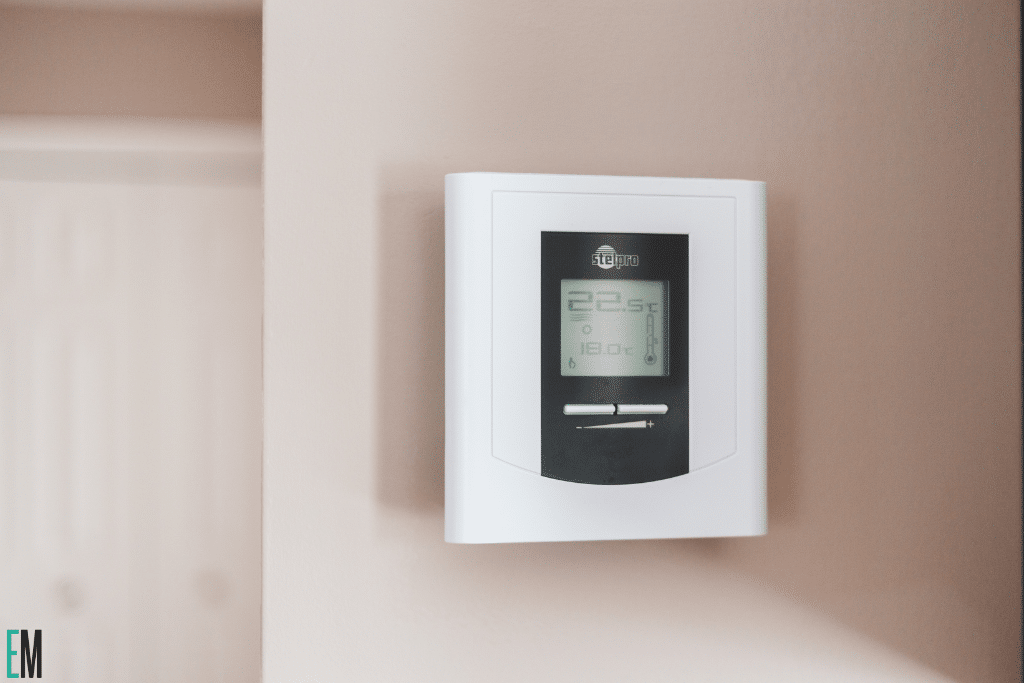
Most people set a thermostat once and leave it. I did this for years, not just me, all the people I know do the same. The heating came on, and I didn’t think much further than that. But when I started paying closer attention, I realised the system was heating rooms I wasn’t in, at times I didn’t need it.
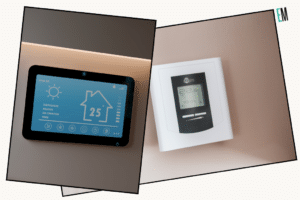
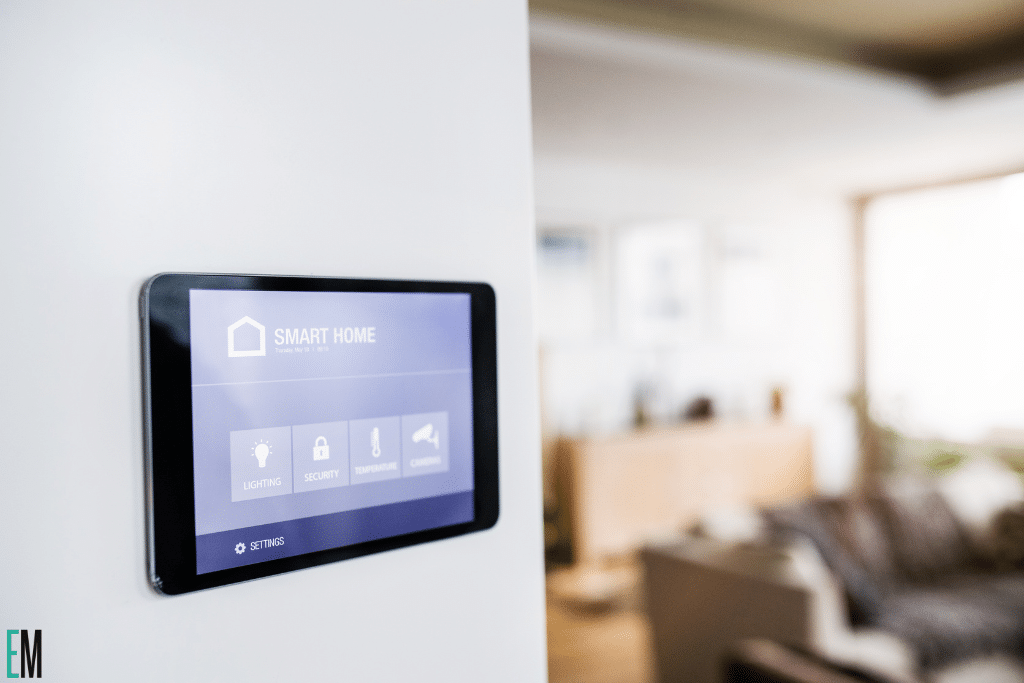
A smart thermostat changes this completely. It makes visible something that was previously invisible.
Turning your thermostat down by just one degree Celsius can reduce your heating bill by around 10 per cent. That’s a widely cited figure, and it holds up. If your home currently heats to 21 degrees, dropping to 20 degrees and adding a light layer of clothing costs you nothing.
Smart thermostats like Tado go further by learning your schedule. But even a basic programmable model from a hardware shop is infinitely better than a manual dial you’ve left on a fixed setting for three winters.
This is where home energy efficiency stops being about products and starts being about awareness.
The Appliance Habits That Quietly Cost More Than You Think
Standby power is one of those things that sounds trivial until you add it up. The average household spends around $35 a year powering devices left on standby. Across a full year, that’s a cost with no return whatsoever.
TVs, games consoles, phone chargers left plugged in with nothing attached, and older desktop computers are the main offenders. A smart power strip that cuts power to peripheral devices when the main device is switched off costs about $20 and solves this passively.
Washing machines and dishwashers are worth a separate thought. Running a full load at 30 degrees instead of 40 degrees uses around 40 per cent less electricity in most modern machines.
And here’s a small one that adds up faster than expected: kettle overfilling. Only boiling the water you actually need can save a good amount of electricity over the year.
These are the kinds of eco habits that feel almost small at first. But collectively.
What I Noticed About Insulation Before I Could Afford to Do Anything Major
Full loft insulation and cavity wall insulation are the gold standard. If you own your home and haven’t done these, they’re worth investigating seriously.
But there’s a lower-cost version of the same principle that anyone can apply. Insulating your hot water cylinder jacket, if you have a tank-based system, is a two-hour job that can save up to $35 a year on its own.
Rugs on bare floorboards aren’t a design choice. A large rug over an uninsulated timber floor makes a room feel warmer because it is warmer.
None of this replaces real structural insulation. But all of it contributes to the same goal: keeping the warmth inside the space you’ve already heated. That is the core principle behind every improvement to home energy efficiency, regardless of budget.
Quick Priority Checklist
If you’re not sure where to start, this is the order that makes the most practical sense:
- Seal draughts around doors, windows, and loft hatches
- Replace remaining halogen or incandescent bulbs with warm LED equivalents
- Set a heating schedule and lower the thermostat by one degree
- Switch high-use appliances off standby or use a smart power strip
- Add a hot water cylinder jacket if you have a tank system
- Use thermal curtains or lining on windows that face north or northeast
- Investigate subsidised loft or cavity wall insulation if you own your home
A Short Honest Word About the Mistakes Worth Avoiding
I’ve seen people spend money on expensive smart devices before they’ve sealed their draughts.
Start with the fabric of the building. Gaps, insulation, windows, doors. Then address your heating controls.
It’s also worth knowing that not every energy-saving product lives up to its marketing. Plug-in “electricity savers” sold online are largely ineffective for typical domestic use.
Real home energy efficiency is less about buying things and more about understanding where your energy actually goes.
Article Note
The cold kitchen floor I mentioned at the start has been warm for three winters now. It cost me $9 door brush. Some of the best improvements to home energy efficiency are exactly that simple, believe in that.